<h1>How To Choose A Lens For Documentary Photography</h1> <div class="howto-guide"> <div class="howto-hero"> <div> <p class="howto-summary">Choosing the right lens is a crucial decision for any documentary photographer. This guide helps you understand the key factors involved, from your photographic vision to the technical aspects of different lenses. It's designed for anyone looking to make informed choices that will enhance their storytelling through powerful images, whether you're just starting out or looking to refine your kit for specific projects.</p> </div> <div class="howto-quick-card"> <h2>Fast Answer</h2> <ul> <li><strong>Versatile Starter:</strong> <span>Zoom lens (e.g., 24-70mm equivalent)</span></li> <li><strong>Classic Documentary:</strong> <span>Prime lens (e.g., 35mm or 50mm)</span></li> </ul> </div> </div> <div class="howto-stat-grid"> <div><strong>2-4 hours</strong> <span>Time needed</span></div> <div><strong>Medium</strong> <span>Difficulty</span></div> <div><strong>Compatibility issues</strong> <span>Watch out for</span></div> </div> <div class="howto-prep"> <h2><span class="howto-icon howto-icon-wave" aria-hidden="true"></span>Before You Start</h2> <ul> <li>Your camera body model and manufacturer (e.g., Canon, Nikon, Sony, Fujifilm).</li> <li>A basic understanding of photographic terms such as focal length, aperture, and depth of field.</li> <li>An initial idea of the types of stories you want to tell and the environments you'll typically be working in.</li> <li>Patience for research and consideration; choosing a lens is an investment in your craft.</li> </ul> <div class="howto-callout howto-callout-warning"><strong>Check first:</strong> Always ensure any lens you consider is <strong>fully compatible with your specific camera body's lens mount</strong>. Different camera brands and even different camera lines within the same brand use unique mounting systems. An incompatible lens simply won't attach or function correctly.</div> </div> <div class="howto-steps"> <h2>Step-by-Step Instructions</h2> <div class="howto-step"> <div class="howto-step-body"> <h3>Define Your Documentary Vision</h3> <p>Before looking at any specific lens, take time to think about the kind of documentary photography you want to create. Are you aiming for broad, sweeping landscapes that tell a story about place, or intimate portraits that focus on individual emotions? Do you prefer to be an unseen observer, or do you interact closely with your subjects?</p> <p>Your vision dictates the perspective and feeling of your images. A wide-angle lens might be perfect for expansive street scenes, while a standard prime lens is often favoured for its natural perspective in reportage. Understanding your personal style and goals will narrow down the immense range of options available.</p> <div class="howto-callout howto-callout-tip"><strong>Tip:</strong> Look at the work of documentary photographers you admire. Pay attention to the perspectives, depth of field, and general feel of their images. This can help you identify visual qualities you want to emulate.</div> </div> </div> <div class="howto-step"> <div class="howto-step-body"> <h3>Understand Your Shooting Environment</h3> <p>The places and conditions where you shoot profoundly influence lens choice. Will you primarily be working indoors with limited light, or outdoors in bright sunshine? Are you covering fast-moving events, or static scenes? Will you be close to your subjects, or need to keep a respectful distance?</p> <p>For example, if you often find yourself in dimly lit rooms, a lens with a wide maximum aperture (a low f-number like <strong>f/1.8 or f/2.8</strong>) will be invaluable for gathering more light. If you're covering protests or wildlife from a distance, a telephoto lens might be necessary. Consider the space available, the lighting, and the movement inherent in your typical scenarios.</p> <div class="howto-callout howto-callout-tip"><strong>Tip:</strong> Mentally walk through a typical shooting day. Note down the challenges you usually face regarding light, distance from subjects, and the need for discretion. This practical assessment is key.</div> </div> </div> <div class="howto-step"> <div class="howto-step-body"> <h3>Explore Focal Lengths and Their Impact</h3> <p>Focal length, measured in millimetres (mm), determines how "zoomed in" your image appears and affects the perspective. It's one of the most critical factors. Lenses generally fall into three categories:</p> <ul> <li><strong>Wide-angle (14mm-35mm):</strong> These lenses capture a broad field of view, making them excellent for establishing a sense of place, expansive landscapes, and dynamic street photography. They can make subjects appear further away and enhance perspective.</li> <li><strong>Standard (35mm-85mm):</strong> Often considered to offer a perspective closest to human vision, these are highly versatile. A <strong>50mm lens</strong> on a full-frame camera is a classic choice for documentary work, offering a natural view and often excellent low-light performance. A <strong>35mm</strong> is also very popular for its slightly wider, but still natural, feel.</li> <li><strong>Telephoto (85mm-300mm+):</strong> These lenses magnify distant subjects, allowing you to capture details from afar without disturbing the scene. They also compress perspective, making backgrounds appear closer to subjects. Great for isolating individuals or capturing moments discreetly.</li> </ul> <p>Zoom lenses (e.g., <strong>24-70mm, 70-200mm</strong>) cover a range of focal lengths, offering flexibility. Prime lenses (e.g., <strong>35mm, 50mm, 85mm</strong>) have a fixed focal length but often offer superior image quality and wider apertures.</p> <div class="howto-callout howto-callout-tip"><strong>Tip:</strong> If you currently have a kit lens (e.g., 18-55mm), pay attention to which focal lengths you use most often. This can give you a strong clue about your preferred working distance and perspective.</div> </div> </div> <div class="howto-step"> <div class="howto-step-body"> <h3>Grasp Aperture (f-stop) for Light and Depth</h3> <p>The aperture of a lens, expressed as an f-number (e.g., f/1.4, f/2.8, f/8), controls two main things: how much light enters the camera and the depth of field. A <strong>lower f-number</strong> (wider aperture) means more light can reach the sensor, which is fantastic for shooting in low light conditions without needing high ISO settings. It also creates a shallower depth of field, blurring the background nicely and making your subject stand out.</p> <p>For documentary work, a wide maximum aperture (e.g., <strong>f/1.4, f/1.8, f/2.8</strong>) is often highly desirable. It allows for shooting handheld in challenging lighting and helps to isolate subjects, drawing the viewer's eye. However, lenses with very wide apertures can be more expensive and heavier. Lenses with narrower maximum apertures (e.g., <strong>f/4, f/5.6</strong>) are lighter and more affordable but require more light or higher ISOs.</p> <div class="howto-callout howto-callout-tip"><strong>Tip:</strong> If you photograph people or objects where you want to minimise distracting backgrounds, prioritise lenses with wider maximum apertures (smaller f-numbers).</div> </div> </div> <div class="howto-step"> <div class="howto-step-body"> <h3>Consider Size, Weight, and Durability</h3> <p>Documentary photography often involves long days of shooting, travel, and working in various environments. The physical characteristics of your lens are just as important as its optical performance. A heavy, bulky lens might be tiring to carry all day, making you less inclined to take it out. A smaller, lighter setup can be less intimidating for subjects and more discreet in public spaces.</p> <p>Look for lenses with a solid, weather-sealed construction if you anticipate shooting in challenging weather conditions (rain, dust). Durability is key for gear that will see a lot of use. Consider how the lens balances on your camera body and how comfortable it feels in your hand for extended periods.</p> <div class="howto-callout howto-callout-tip"><strong>Tip:</strong> If you travel frequently or prefer a minimalist approach, consider compact prime lenses or lighter zoom lenses that won't weigh you down.</div> </div> </div> <div class="howto-step"> <div class="howto-step-body"> <h3>Evaluate Autofocus and Image Stabilisation Needs</h3> <p>The speed and accuracy of a lens's autofocus (AF) system are crucial for capturing fleeting moments in documentary photography. Look for lenses with fast, quiet, and reliable AF motors, especially if you're documenting events or people in motion. A noisy autofocus motor can be distracting in quiet environments.</p> <p>Image stabilisation (IS, VR, OS, OIS, VC – names vary by brand) helps to reduce blur caused by camera shake, especially when shooting handheld at slower shutter speeds or with telephoto lenses. This is highly beneficial in low light or when you can't use a tripod. Some cameras have in-body image stabilisation (IBIS), which works with any lens, but lens-based stabilisation can sometimes offer additional benefits or be crucial if your camera lacks IBIS.</p> <div class="howto-callout howto-callout-tip"><strong>Tip:</strong> For documentary interviews or quiet moments, prioritise quiet autofocus. For street photography or fast-paced events, prioritise speed and accuracy. Image stabilisation is a bonus for almost all documentary situations.</div> </div> </div> <div class="howto-step"> <div class="howto-step-body"> <h3>Confirm Lens Mount Compatibility</h3> <p>This point cannot be overstated. Every camera system has a specific lens mount. For example, a Canon EF lens will not fit a Sony E-mount camera without an adapter, and even then, functionality might be limited. Before getting excited about a particular lens, double-check that it is made for your camera's mount.</p> <p>Many third-party lens manufacturers (like Sigma or Tamron) produce their lenses for various camera mounts. When browsing, always look for the version specified for your camera brand and mount type (e.g., "Sigma 35mm f/1.4 Art for Sony E-mount"). If you're unsure, consult your camera manual or the manufacturer's website.</p> <div class="howto-callout howto-callout-tip"><strong>Tip:</strong> If you're considering switching camera systems in the future, be mindful that your lenses might not be transferable. Investing in a system you're happy with long-term can save money.</div> </div> </div> <div class="howto-step"> <div class="howto-step-body"> <h3>Plan for Budget and Future Use</h3> <p>Lenses represent a significant investment, and prices vary wildly depending on brand, focal length, aperture, and build quality. Set a realistic budget before you start looking. Remember that a great photograph comes from the photographer, not just the gear, so the most expensive lens isn't always necessary for compelling documentary work.</p> <p>Consider the longevity and versatility of your investment. A high-quality prime lens, while initially more expensive than a basic zoom, might offer superior image quality and remain a valuable tool for many years. Think about how a new lens fits into your existing kit and if it fills a specific gap or opens up new creative possibilities for your documentary projects.</p> <div class="howto-callout howto-callout-tip"><strong>Tip:</strong> Explore the used lens market. You can often find excellent lenses in great condition at a fraction of the new price. Always buy from reputable dealers who offer warranties or return policies.</div> </div> </div> <div class="howto-step"> <div class="howto-step-body"> <h3>Test or Rent Before Committing</h3> <p>The best way to know if a lens is right for you is to try it out in real-world conditions. If possible, visit a camera store and physically handle the lens. See how it feels on your camera, check its weight and balance. Even better, many camera shops and specialist rental companies offer lenses for hire.</p> <p>Renting a lens for a day or a weekend allows you to test it on a specific documentary project or in your typical shooting environments. This practical experience is invaluable and can confirm whether a lens meets your expectations for handling, performance, and image quality before you make a significant purchase.</p> <div class="howto-callout howto-callout-tip"><strong>Tip:</strong> When testing, don't just take a few quick snaps. Shoot a variety of subjects in different lighting conditions, paying attention to autofocus speed, sharpness, and how comfortable it is to use for extended periods.</div> </div> </div> </div> <div class="howto-cheatsheet"> <h2>Quick Reference</h2> <table> <thead> <tr> <th>Situation</th> <th>Use this</th> <th>Why</th> </tr> </thead> <tbody> <tr> <td>Wide scene setting, street photography</td> <td><strong>Wide-angle prime (24mm or 35mm)</strong></td> <td>Captures context, immersive perspective, often great in low light.</td> </tr> <tr> <td>Natural perspective, candid portraits, general reportage</td> <td><strong>Standard prime (35mm or 50mm)</strong></td> <td>Mimics human vision, typically sharp, often affordable and fast aperture.</td> </tr> <tr> <td>Shooting from a distance, isolating subjects</td> <td><strong>Telephoto zoom (e.g., 70-200mm)</strong></td> <td>Magnifies distant action, creates subject separation, keeps you discreet.</td> </tr> <tr> <td>Variable situations, travel light, less lens swapping</td> <td><strong>Mid-range zoom (e.g., 24-70mm)</strong></td> <td>Covers multiple focal lengths, versatile for many scenarios.</td> </tr> <tr> <td>Very low light, blurred backgrounds</td> <td><strong>Fast prime (f/1.4, f/1.8)</strong></td> <td>Allows shooting with less available light, creates beautiful background blur.</td> </tr> </tbody> </table> </div> <div class="howto-steps"> <h2>Common Problems When You Choose A Lens For Documentary Photography</h2> <div class="howto-step"> <div class="howto-step-body"> <h3>Choosing the Wrong Focal Length</h3> <p>A common mistake is buying a lens that doesn't match your typical shooting distance or desired perspective. For instance, a very wide-angle lens might feel too expansive if you prefer tighter compositions, or a telephoto lens might be too restrictive in small indoor spaces.</p> <p><strong>Fix:</strong> Before buying, visualise yourself using the lens. Use your existing kit lens to "test" different focal lengths by zooming in and out and noting which views you prefer. Better yet, rent a lens for a day to see if its focal length truly suits your style and environment.</p> </div> </div> <div class="howto-step"> <div class="howto-step-body"> <h3>Overlooking Size and Weight</h3> <p>Many photographers get excited about the optical performance of a large, heavy lens only to find it burdensome during long shoots. A lens that's too heavy can lead to fatigue, reduce your willingness to carry it, and even make you miss shots.</p> <p><strong>Fix:</strong> Always consider the physical dimensions and weight in relation to your camera body and your shooting habits. If possible, handle the lens in person or rent it. A slightly less optically perfect but much lighter lens that you actually use consistently is always a better choice.</p> </div> </div> <div class="howto-step"> <div class="howto-step-body"> <h3>Ignoring Lens Mount Compatibility</h3> <p>This is a fundamental error. Buying a lens with the wrong mount means it simply won't attach to your camera. While adapters exist, they can sometimes limit lens functions (like autofocus) or introduce optical compromises.</p> <p><strong>Fix:</strong> Always, always double-check the lens mount specification against your camera body's mount type before purchase. When buying online, ensure the seller explicitly states compatibility with your camera brand and mount type.</p> </div> </div> <div class="howto-step"> <div class="howto-step-body"> <h3>Prioritising Zoom Range Over Aperture</h3> <p>Beginners often favour zoom lenses with a very broad focal range (e.g., 18-300mm) for their convenience. However, these lenses often have narrower maximum apertures (e.g., f/3.5-6.3), making them less effective in low light and limiting depth of field control.</p> <p><strong>Fix:</strong> For documentary work, especially indoors or in challenging light, a wider maximum aperture (lower f-number) is often more valuable than an extensive zoom range. Consider a standard zoom with a constant wide aperture (like an <strong>f/2.8 zoom</strong>) or a fast prime lens instead of a "superzoom".</p> </div> </div> </div> <div class="howto-steps"> <h2>Advanced Tips for How To Choose A Lens For Documentary Photography</h2> <div class="howto-step"> <div class="howto-step-body"> <h3>Embrace the "One Lens, One Story" Approach</h3> <p>Many renowned documentary photographers work with just one or two prime lenses for entire projects. This forces you to think more creatively about composition and perspective, rather than relying on zooming. It also reduces the gear you carry and can make you less noticeable.</p> <p><strong>Application:</strong> Try committing to a single <strong>35mm or 50mm prime lens</strong> for a week or a specific project. You'll quickly learn its strengths and limitations and discover new ways to tell stories within those boundaries.</p> </div> </div> <div class="howto-step"> <div class="howto-step-body"> <h3>Consider Speciality Lenses for Unique Narratives</h3> <p>While standard lenses are versatile, certain documentary projects might benefit from speciality lenses. A tilt-shift lens, for example, can control perspective distortions in architectural documentary, or a macro lens can capture extreme close-ups for scientific or detailed human interest stories.</p> <p><strong>Application:</strong> Don't limit your thinking to common focal lengths. If your story demands a very specific visual effect or perspective, research lenses that offer those capabilities. Renting is an excellent way to experiment without committing to a purchase.</p> </div> </div> <div class="howto-step"> <div class="howto-step-body"> <h3>Balance Between Native and Third-Party Lenses</h3> <p>Lenses made by your camera's manufacturer ("native lenses") often offer seamless integration and optimal performance. However, third-party manufacturers like Sigma, Tamron, and Samyang produce excellent lenses that can offer comparable quality, unique characteristics, or better value for money.</p> <p><strong>Application:</strong> Always read reviews and compare test results for both native and third-party options. Sometimes a third-party lens might offer a wider aperture or better build quality for the same price as a native lens with lesser specifications. Just ensure compatibility is guaranteed.</p> </div> </div> <div class="howto-step"> <div class="howto-step-body"> <h3>Future-Proofing Your Lens Investments</h3> <p>Camera bodies evolve rapidly, but good lenses can last for decades. When investing in high-quality lenses, consider how they might perform with future camera bodies. Look for lenses with robust construction, excellent optical quality, and widely used mounts.</p> <p><strong>Application:</strong> If you plan to upgrade your camera body in a few years, invest in lenses that are known for their quality and will likely perform well on higher-resolution sensors. Generally, prime lenses and professional-grade zooms hold their value better than basic kit lenses.</p> </div> </div> </div> <div class="howto-steps"> <h2>How To Choose A Lens For Documentary Photography FAQ</h2> <div class="howto-step"> <div class="howto-step-body"> <details class="faq-item"><summary>What is the most versatile lens for documentary photography?</summary><div class="faq-answer"><p>For sheer versatility, a high-quality standard zoom lens, such as a <strong>24-70mm f/2.8</strong> (on a full-frame camera), is often recommended. It covers wide-angle to short telephoto focal lengths, making it suitable for a broad range of scenes from establishing shots to environmental portraits. Alternatively, a <strong>35mm f/1.4 or f/1.8 prime lens</strong> offers a highly versatile, natural perspective and excellent low-light performance.</p></div></details> </div> </div> <div class="howto-step"> <div class="howto-step-body"> <details class="faq-item"><summary>Are prime lenses better than zoom lenses for documentary work?</summary><div class="faq-answer"><p>Neither is inherently "better"; they serve different purposes. <strong>Prime lenses</strong> often offer superior image sharpness, wider maximum apertures (better for low light and shallow depth of field), and are typically lighter and more compact. They encourage you to "zoom with your feet," fostering a more engaged approach. <strong>Zoom lenses</strong> offer flexibility, allowing you to quickly change focal length without swapping lenses, which is crucial in fast-paced situations. Many documentary photographers use a combination of both.</p></div></details> </div> </div> <div class="howto-step"> <div class="howto-step-body"> <details class="faq-item"><summary>How important is image stabilisation for documentary photography?</summary><div class="faq-answer"><p>Image stabilisation (IS) is highly important, especially when shooting handheld in low light or with telephoto lenses. It significantly reduces camera shake, leading to sharper images at slower shutter speeds. If your camera body doesn't have in-body image stabilisation (IBIS), then lenses with optical image stabilisation are a huge advantage for documentary work where tripods are often impractical.</p></div></details> </div> </div> <div class="howto-step"> <div class="howto-step-body"> <details class="faq-item"><summary>Should I buy a new or used lens?</summary><div class="faq-answer"><p>Both new and used lenses have their advantages. Buying new guarantees a warranty and pristine condition. Buying used can offer significant savings, allowing you to afford higher-quality lenses that might otherwise be out of budget. For documentary work, where gear often sees heavy use, a well-maintained used lens can be an excellent, cost-effective choice. Always buy from reputable sellers or stores that offer a guarantee or return policy when buying used.</p></div></details> </div> </div> </div> <div class="howto-prep"> <h2>Final Checklist for How To Choose A Lens For Documentary Photography</h2> <ul> <li><strong>Define your vision:</strong> Have a clear idea of the stories you want to tell and the visual style you aim for.</li> <li><strong>Assess your environment:</strong> Consider typical lighting, space, and subject distance.</li> <li><strong>Research focal lengths:</strong> Understand the impact of wide, standard, and telephoto perspectives.</li> <li><strong>Prioritise aperture:</strong> Choose a lens with an f-stop that suits your low-light needs and depth of field preferences.</li> <li><strong>Consider ergonomics:</strong> Ensure the lens's size, weight, and balance are comfortable for long shoots.</li> <li><strong>Evaluate AF and IS:</strong> Determine your needs for fast autofocus and image stabilisation.</li> <li><strong>Verify compatibility:</strong> Double-check the lens mount matches your camera body.</li> <li><strong>Set a budget:</strong> Plan your investment wisely and consider both new and used options.</li> <li><strong>Test before buying:</strong> If possible, rent or borrow the lens to try it in real-world conditions.</li> <li><strong>Review and refine:</strong> Continuously evaluate your lens choices as your photographic journey evolves.</li> </ul> </div> </div>
Creative tools
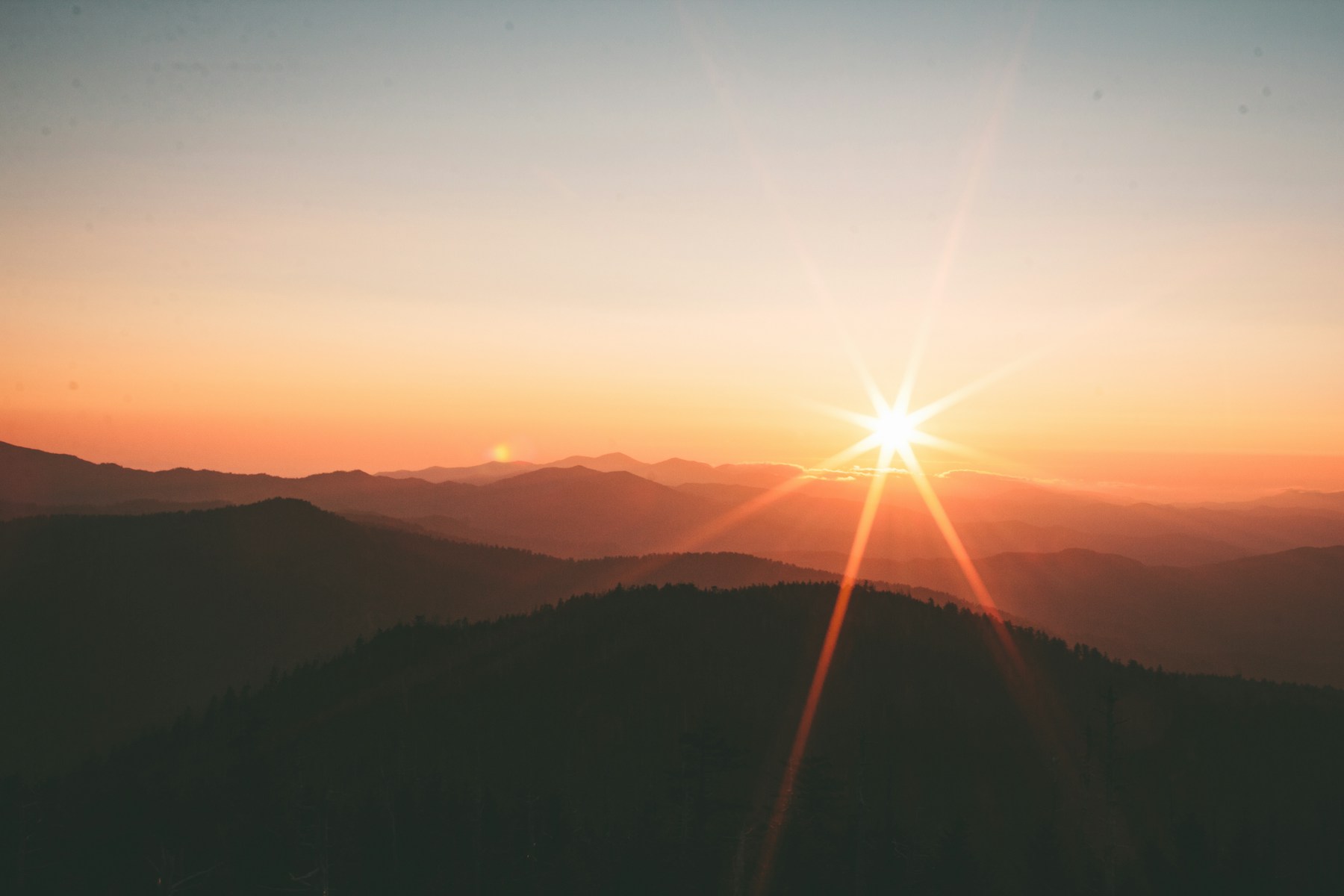
How To Choose A Lens For Documentary Photography
A practical step-by-step guide to how to choose a lens for documentary photography, including preparation, instructions, common issues, tips, and next steps.
Continue reading

Creative tools
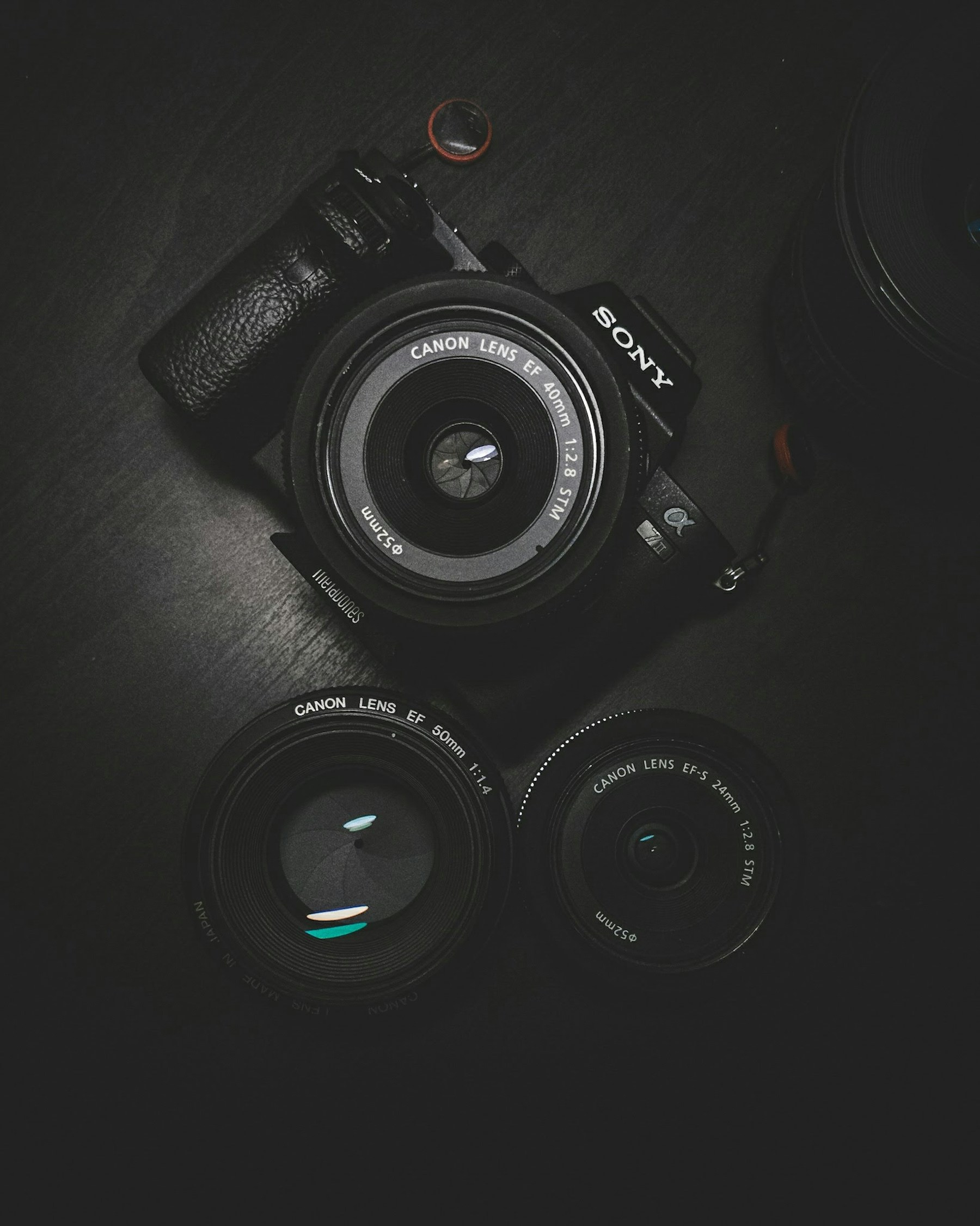
How To Make A Photo Shot List
A practical step-by-step guide to how to make a photo shot list, including preparation, instructions, common issues, tips, and next steps.
Creative tools
How To Create A Visual Mood Board
A practical step-by-step guide to how to create a visual mood board, including preparation, instructions, common issues, tips, and next steps.
Creative tools
How To Use A Polarising Filter For Travel Photos
A practical step-by-step guide to how to use a polarising filter for travel photos, including preparation, instructions, common issues, tips, and next steps.